Thursday, 16 September 2021

Wednesday, 15 September 2021
Tuesday, 14 September 2021
Response to Text: Kakahu Pekepeke (Tuesday (W8, T3).
Response to text:
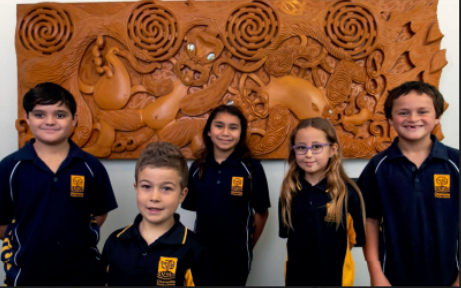
Kakahu Pekepeke
by Keri Welham
Highlight the correct answer or write down the appropriate response.
1. A whakairo is…
a) another word for taonga b) a Maori food
c) a traditional carving d) a gift
2. The whakairo was gifted to the school in...
a) 1990 b) 1992
c) 2000 d) 2002
3. Explain why the whakairo is called “Kakahu Pekepeke”
→ Maybe they wanted to change the name of it.
4. True or False: A pekepeke is a cloak.
a) True b) False
5. Which of the following is NOT a taonga that Ōtūmoetai School has?
a) Carvings of Tākitimu waka b) The prow of the Tākitimu waka
c) Murals of the first Principal d) A 125 year old Oak Tree
6. What can the idea of “kakahu pekepeke” (giving a cloak to a family who is mourning) tell us about Maori, and their sense of community?
→ It gives familys comfort when they are grieving.
7. How does the design of the whakairo show the importance of the environment to Maori communities and culture?
→ The whakairo design can mean lots of things like how their ancestors lived and where they lived.
Monday, 13 September 2021
Response to Text: Pepeha (Monday (W8, T3).
Response to text:

Pepeha
By Pa¯taka and Monique Moore
Highlight the correct answer or write down the appropriate response.
1. A pepeha is…
a) A way of saying hi! b) A way of introducing yourself
c) Where you come from d) the Te Reo word for pepper
2. For Maori, the waka in their pepeha tell us what?
a) What car they drive b) That they own a waka
c) How their tupuna arrived in Aotearoa d) None of the above
3. Explain why… “A pepeha is a way of showing that you value the local environment”
→ And how you introduce where you are, what part you live in and what country you live in.
4. True or False: Your hapu is your family (aunties, cousins, grandparents etc.)
a) True b) False
5. Which of the following is NOT something mentioned in a pepeha?
a) Iwi b) Kaumatua
c) Marae d) Tikanga
6. “In Māori culture, everyone helps out and shares work, food, and day-to-day tasks.”
Explain how this is similar, or different in your own culture. If you are Maori, explain what this looks like.
→ Well I’m tongan and samoa and in our house we share how we do things and stuff.
7. What do you think the contents of a pepeha tell us about Tangata Maori (Maori people) and their relationship with the environment?
→ I don’t know what this means.
Friday, 10 September 2021
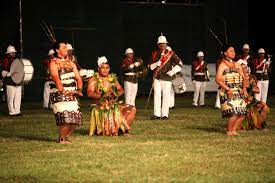
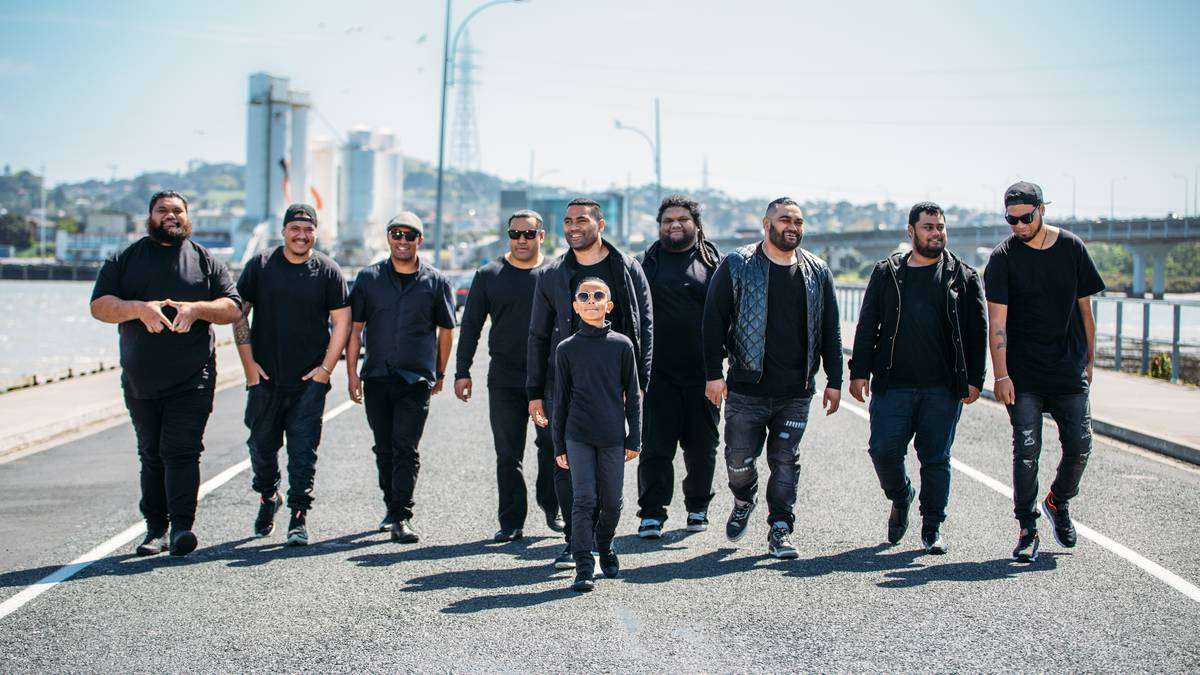
Response to Text: Tongan Arts.
Tongan Arts

Highlight the correct answer or write the appropriate response.
1. Which of the following is not a method of exploring Music in Tonga?
a) Choir b) Song
c) Siren Jams d) Instruments
2. Why might other Pasifika cultures enjoy Tongan music?
→ It makes you move your feet and makes you want to sing aswell.
3. Name 4 different Tongan Artists.
→ Dinah Jane, Dj Noiz, Coco crew, Dj Dox.
4. True or False: “Expressing stories of Tongan history and legends, the Lakalaka is performed by only men.”
a) True b) False
5. Which of these is a type of Dance in Tonga?
a) Me’etu’upaki b) Soke
c) Tau’olunga d) All of the above and more
6. What is the outcome of wood and/or bone carving?
a) making bowls and head rests b) pieces of bark beaten with a mallet
c) make jewellery d) bedding and clothing
7. In your own words, explain what a Ngatu Tonga is.
→ It is like a mat or a clothing item for Church.
Subscribe to:
Posts (Atom)